Call Us At +91 9811618476

Designated Smoking Zones
Designated Smoking Zones
Vending Machines 101: What Businesses Should Know Before Buying
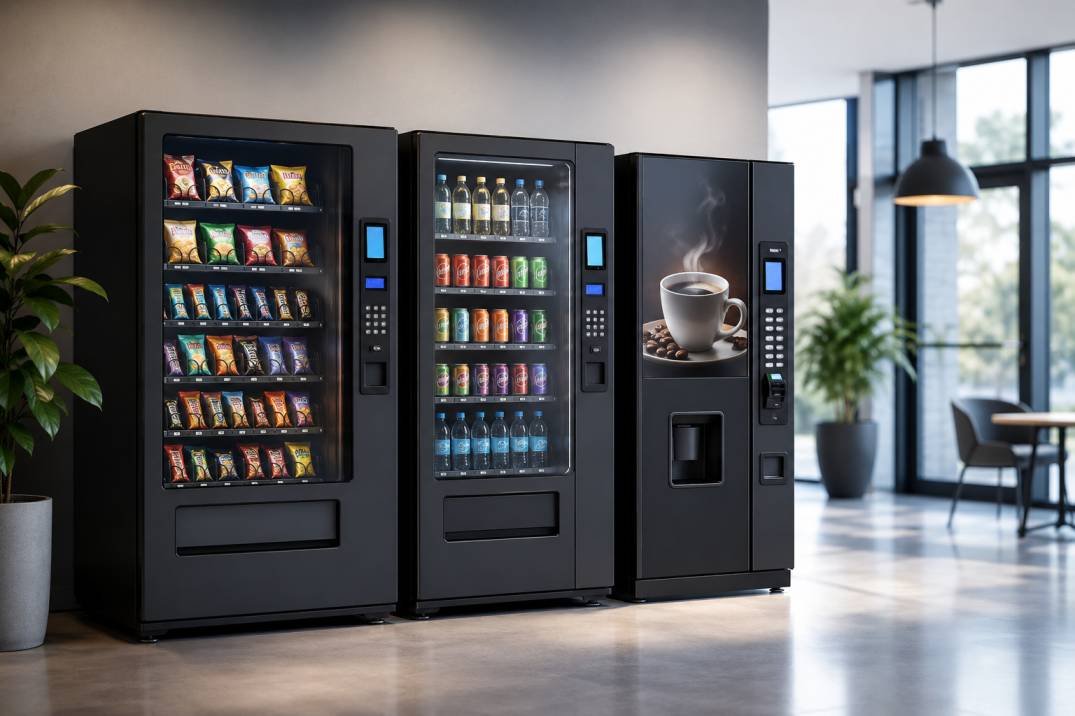
Vending machines feel like a simple purchase decision on the surface — pick a machine, plug it in, done. In practice, businesses that skip proper evaluation often end up with a machine that’s the wrong size for their space, breaks down more than expected, or simply doesn’t fit how their property actually operates. This guide covers the fundamentals every business should understand before buying a vending machine, whether for general convenience items or as part of a broader smoking zone strategy.
This is a genuinely broad, competitive category — vending machines serve everything from small offices to airports, and the right choice for one context can be completely wrong for another. Rather than trying to recommend a single “best” vending machine, our goal here is to walk through the actual decision factors that matter, so you can evaluate options against your specific property rather than a generic checklist that doesn’t account for your particular footfall and space constraints.
At SmokinMe, vending machines are one part of a broader set of vending solutions we offer alongside smoking cabins and lounges. This guide takes a step back to cover the basics that apply to vending machine purchasing decisions generally, helping you make an informed choice whatever your specific use case.
Types of Vending Machines
Vending machines vary considerably in format, capacity, and product focus. Understanding the main categories helps narrow down what actually fits your property.
Snack and beverage machines are the most common general-purpose format, dispensing packaged snacks, drinks, or a mix of both from a single unit. These suit break rooms, general office areas, and public waiting spaces.
Smart digital vending machines use touchscreen interfaces, digital payment, and sometimes inventory tracking technology, offering a more modern user experience and easier remote monitoring for the operator compared to older mechanical designs.
Specialty vending machines are designed around a specific product category — this includes vending machines for smoking zone essentials, personal care items, or other niche product ranges tailored to a particular environment.
Combination or multi-product machines offer a wider mix of product types within a single unit, useful for properties wanting broader convenience coverage without installing multiple separate machines.
Key Factors to Evaluate Before Buying
Footfall and Expected Demand
The single most important factor in choosing the right vending machine is understanding your property’s actual footfall and expected transaction volume. A machine sized for a small office break room performs very differently under the continuous demand of a high-traffic mall or airport location — undersizing leads to frequent stockouts and lost sales, while oversizing wastes both floor space and capital.
Product Range and Capacity
Consider how many distinct products you want to offer and how much inventory capacity you need between restocking visits. A compact machine with limited slots works fine for low-footfall locations, but high-traffic properties benefit from larger capacity to avoid running out of popular items between servicing.
Payment Technology
Modern vending machines typically support multiple payment methods — cash, card, and increasingly digital or contactless payment. Consider what payment methods your actual user base prefers and ensure the machine you choose supports them, rather than assuming a single payment format covers everyone’s needs.
Reliability and Build Quality
Vending machines that break down frequently create a poor user experience and ongoing maintenance headaches. Ask any manufacturer or supplier about the build quality of the machine’s mechanical components, since this directly affects how often you’ll deal with jams, payment failures, or dispensing malfunctions.
Energy Efficiency
Vending machines, particularly refrigerated units for beverages, run continuously and contribute to ongoing electricity costs. Ask about energy consumption and efficiency ratings, especially for larger installations or properties with multiple machines, since this affects total cost of ownership beyond the initial purchase price.
Maintenance and Servicing Support
Understand what maintenance the machine requires, how accessible spare parts are, and whether the supplier offers ongoing servicing support. A machine that’s difficult to service or relies on hard-to-source parts becomes a growing operational burden over time.
Vending Machines vs. Vending Kiosks vs. Vending Solutions: Clarifying the Terms
These terms sometimes get used loosely, which can create confusion when comparing options. A vending machine is typically a compact, fully automated unit with a fixed, limited product selection. A vending kiosk usually offers a larger footprint and broader product range, sometimes with light staffing support. “Vending solutions” is a broader umbrella term that can refer to either format, or a combination of machines, kiosks, and staffed counters deployed together across a property.
When evaluating options, ask suppliers to clarify exactly which format they’re describing, since the right choice for your property depends heavily on available space, expected footfall, and desired product range — details a generic “vending solution” description alone doesn’t clarify.
Sizing Your Vending Machine Investment to Your Property
Rather than choosing a single machine size or format for an entire property, larger businesses often benefit from a zone-based approach — smaller, compact machines in lower-footfall areas, and larger-capacity machines or kiosks positioned at high-traffic zones like main entrances or break areas. This matches your investment to actual demand rather than either underserving busy areas or overinvesting in quiet ones.
This same zone-based logic applies to product selection, not just machine size. A machine positioned near a break room might prioritise snacks and beverages, while one near a smoking zone might focus on items smokers specifically want convenient access to. Thinking through product mix by location, rather than stocking every machine identically, tends to improve both sales and user satisfaction across a varied property.
Vending Machines as Part of a Smoking Zone Strategy
For properties incorporating vending as part of a designated smoking zone, the considerations above apply alongside a few smoking-zone-specific factors: positioning the machine within or immediately adjacent to the zone to keep smokers within the designated area, and — if the machine includes cigarettes specifically — addressing the age-verification and compliance considerations that apply to tobacco vending under Indian law. We cover this specific context in more detail in our guides on vending solutions for high-footfall spaces and cigarette vending compliance in India.
Common Mistakes to Avoid
Buying based on price alone. The cheapest machine upfront often costs more over time through frequent breakdowns, higher energy consumption, or limited capacity requiring more frequent restocking visits.
Ignoring footfall data. Guessing at expected demand rather than basing machine size and capacity on actual or realistically projected footfall leads to persistent undersizing or oversizing issues.
Overlooking servicing and support. A machine that’s cheap to buy but difficult or expensive to service creates ongoing operational costs that outweigh the initial savings.
Choosing a single format for a varied property. Applying one machine type uniformly across a property with genuinely different footfall zones misses the opportunity to match investment to actual demand at each location.
Why SmokinMe for Vending Machines
We offer vending machines as part of a broader vending solutions product line that also includes kiosks and staffed counter options, helping properties choose the right format and capacity for their specific footfall rather than defaulting to a single generic product. Every vending installation we provide is assessed against your property’s actual usage patterns before we recommend a configuration.
Contact SmokinMe today to discuss the right vending machine or broader vending solution for your property.
Also Read:- Setting Up an Outdoor Smoking Zone in the UAE: Regulations & Solutions
Frequently Asked Questions
What types of vending machines are available for businesses?
Common types include snack and beverage machines, smart digital vending machines with touchscreen and digital payment technology, specialty machines focused on a specific product category, and combination machines offering a wider product mix within a single unit. The right type depends on your property’s footfall and desired product range.
What factors should I consider before buying a vending machine?
Key factors include your property’s actual footfall and expected demand, desired product range and inventory capacity, supported payment technologies, build quality and reliability, energy efficiency, and the availability of ongoing maintenance and servicing support from your supplier.
What’s the difference between a vending machine, a vending kiosk, and a vending solution?
A vending machine is typically a compact, fully automated unit with a limited, fixed product selection. A vending kiosk usually has a larger footprint and broader product range, sometimes with light staffing. “Vending solutions” is a broader term covering either format or a combination of machines, kiosks, and staffed counters deployed together.
How do I determine the right vending machine size and capacity for my property?
Base your decision on actual or realistically projected footfall and transaction volume rather than a generic assumption. High-traffic properties need larger capacity to avoid frequent stockouts between restocking visits, while lower-footfall locations can use more compact machines without wasting floor space or capital.
What payment methods should a modern vending machine support?
Look for machines supporting multiple payment methods — cash, card, and digital or contactless payment — to accommodate different user preferences, rather than assuming a single payment format covers your entire user base.
How much do vending machines cost, and what affects the price?
Cost varies based on machine size, capacity, product focus, payment technology, and build quality. Rather than buying based on price alone, evaluate total cost of ownership, including energy consumption, maintenance requirements, and servicing support, since a cheaper machine can cost more over time through frequent breakdowns or higher running costs.
Should a large property use one vending machine type or multiple formats?
Larger properties with varied footfall across different zones typically benefit from a mixed approach — smaller, compact machines in lower-footfall areas and larger-capacity machines or kiosks at high-traffic zones — rather than applying a single format uniformly regardless of actual demand at each location.
How do vending machines fit into a smoking zone strategy?
Vending machines positioned within or immediately adjacent to a designated smoking zone give smokers convenient access to essentials without leaving the area. If the machine includes cigarettes specifically, additional compliance considerations around age verification apply under Indian tobacco control law.
What maintenance do vending machines typically require?
Vending machines need periodic restocking, along with routine maintenance of payment systems and dispensing mechanisms to prevent jams or malfunctions. Refrigerated units also require servicing to maintain cooling performance. Ask your supplier about spare parts availability and ongoing servicing support before purchasing.
How can SmokinMe help my business choose the right vending machine?
Contact SmokinMe with details about your property’s footfall, available space, and desired product range. We assess your specific situation and recommend the right vending machine, kiosk, or combination of formats to match your actual demand, rather than a single generic product.