Call Us At +91 9811618476

Designated Smoking Zones
Designated Smoking Zones
Smoking Lounges
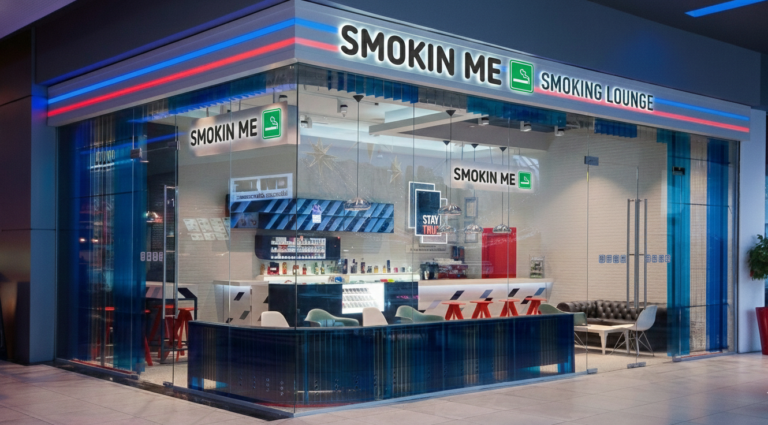
SL Series - SL 10
For multiple Smokers at a time, with more leisure & comfort for the users
Other Models - Smoking Lounges
SL20
20 Smokers
SL30
30 Smokers
SL40
40 Smokers
SL50
50 Smokers
To Know More
Smoking Room and Smoking Lounge Design for High-Traffic Spaces
A smoking lounge is a larger designated smoking area built for many users at once, with seating, filtration and a layout that keeps smoke contained. SmokinMe designs and supplies smoking rooms and lounges for hotels, airports, restaurants and large offices, using the same capture-and-filter system as our cabins, scaled up for busy spaces.
When a single booth isn’t enough
Picture the smoking room at a busy domestic terminal at 7 p.m. Three flights have just been called. Twenty people are trying to fit into a space built for eight. The extraction can’t keep up, the door is propped open because it’s stuffy, and a grey haze is drifting into the gate area. Passengers outside are complaining. Staff are avoiding the corridor.
Hotels see a quieter version of the same thing. The designated smoking area is a converted storeroom near the service lift. It smells. Guests use it once and then go and smoke by the pool instead.
Both are capacity and design failures. The space was sized for an average day and decorated as an afterthought. People notice.
A good smoking lounge is planned around peak use, real airflow and the kind of guest who’ll be using it.
Smoking room design: what actually matters
Most smoking room design ideas online are about leather armchairs and moody lighting for a home cigar den. That’s fine for a private study. A commercial smoking lounge has different priorities.
1. Size for the peak, not the average
Count how many people will be in the room during the busiest 15 minutes. For an airport, that’s the period after boarding calls. For a hotel, it’s after dinner. For an office, it’s mid-morning and post-lunch. If the room fills beyond its design capacity, the filtration falls behind and the door gets propped open.
2. Contain smoke at source
Extraction that relies only on a ceiling fan lets smoke spread across the whole room before removing it. Capturing smoke close to where people stand keeps the air clearer for everyone inside and reduces what escapes when the door opens.
3. Get the door right
A self-closing door, positioned away from main walkways, does more for the surrounding area than almost anything else. Every time the door opens, some air moves. Put the entrance where that air won’t reach guests, food or seating.
4. Choose materials that are easy to clean
Smoke residue sticks to fabric, carpet and porous surfaces. Hard, wipeable surfaces and fire-safe materials make daily cleaning practical and keep the room from developing a permanent smell.
5. Plan seating and flow
Fewer seats than users is normal in a high-traffic lounge. A mix of standing positions and seating lets more people use the space comfortably. Leave a clear path from door to ashtrays and back.
6. Make it a place people choose
If the official room is grim, guests and staff will smoke somewhere else. Decent lighting, comfortable temperature and a clean environment are what get people to use it. Some sites add a vending kiosk for drinks and snacks nearby.
Smoking rooms in hotels and restaurants in India
Hospitality is where most designated smoking rooms in India sit, and it’s also where the rules are most specific.
What are the rules for a smoking room in a hotel in India?
Under COTPA and its 2008 rules, a hotel with 30 or more rooms may provide a designated smoking area. That area must be separately ventilated, must not be at the hotel’s entrance or exit, must carry the prescribed signage, and must be used only for smoking with no other service provided inside. Hotels may also designate guest rooms for smoking if they sit in a separate section and the smoke is ventilated so it doesn’t reach non-smoking areas.
Can a restaurant have a smoking area?
Restaurants with seating for 30 or more may provide a designated smoking area under the same conditions: separated, ventilated, properly signed, away from the entrance, and with no food or drink service inside it.
That “no service” rule surprises a lot of restaurant owners. The smoking area can’t double as a seating section. It has to be its own space.
What this means for your design
For hotels and restaurants, the smoking lounge needs to be a properly separated space with effective ventilation or filtration and the right signage. A purpose-built SmokinMe lounge unit gives you a separated, filtered enclosure without rebuilding part of your property.
Airport smoking lounges
Airside passengers can’t step outside, which makes airport smoking lounges some of the most heavily used smoking spaces anywhere. People search for them constantly. Travellers look up smoking zones at Hyderabad, Bengaluru and Delhi airports every month, which tells you two things: demand is high, and passengers often can’t find them.
Airport lounges need:
- High capacity for peaks around boarding calls.
- Durable fittings that cope with constant use and frequent cleaning.
- Clear signage and visibility so passengers find the lounge instead of improvising.
- Strong containment, because the lounge usually sits close to gates, retail and food outlets.
Office smoking lounges
Larger offices and corporate campuses sometimes need more than a single indoor smoking booth. A lounge configuration serves a whole floor or building from one location. Before planning an office lounge, check the rules that apply to your premises with your compliance team; workplace smoking in India is tightly restricted.
Five smoking room mistakes we see again and again
We’ve walked into a lot of existing smoking rooms during site assessments. The same problems come up every time.
The room was a leftover space. A storeroom, a corner of the basement, a disused office. Nobody planned airflow, so smoke pools in the corners and never really clears.
The door is always open. Usually because the room is too hot or too crowded. An open door turns a contained room into a smoke source for the whole corridor.
Extraction pulls from the wrong place. A single exhaust fan high on one wall clears air near the fan and leaves the far end hazy. Capture needs to happen close to where people actually stand.
Filters are forgotten. Filtration that worked well on day one slowly stops working when nobody tracks replacement. Six months later the room smells, and everyone assumes the system was never any good.
Signage is missing or wrong. For hotels, restaurants and airports, signage is part of the rules. It also simply helps people find the room, which reduces smoking in places you don’t want it.
Every one of these is fixable at the design stage, and much harder to fix afterwards.
Smoking room vs smoking cabin vs smoking lounge
Built smoking room | Smoking cabin | Smoking lounge | |
|---|---|---|---|
Users at once | Varies with room size | Small groups | Larger groups |
Installation | Construction and external ventilation | Plug-and-play | Planned installation, no ducting |
Smoke control | Depends on exhaust design | Captured and filtered at source | Captured and filtered at source |
Can be moved | No | Yes | Usually, with planning |
Typical sites | Older hotels and offices | Offices, small venues | Airports, large hotels, campuses |
How a smoking lounge project works
- Site visit. We look at the space, peak user numbers, nearby walkways and building constraints.
- Layout proposal. Size, door position, seating and filtration capacity.
- Written quote. Specification and price spelled out.
- Installation. Planned around your operating hours so guests aren’t disrupted.
- Maintenance. Scheduled filter changes and servicing.
For outdoor sites, see our outdoor smoking shelters. The full range is on our products page.
Frequently asked questions
What is a smoking lounge?
A smoking lounge is a designated, enclosed space where several people can smoke at once, with seating and a ventilation or filtration system that keeps smoke from reaching surrounding areas.
How big should a smoking room be?
Size it for the busiest period of the day. If a room regularly overfills, the air quality drops and people prop the door open. We calculate size from your expected peak users.
Can a smoking lounge be installed without ducting?
Yes. SmokinMe lounges use built-in filtration and recirculation, so they don’t require an external exhaust duct.
Do hotels in India need a smoking room?
They aren’t required to have one. Hotels with 30 or more rooms may choose to provide a designated smoking area, subject to the conditions in the rules.
How do you stop smoke escaping when the door opens?
Capture smoke close to where people stand, use a self-closing door, and position the entrance away from main walkways. Keeping filters maintained matters as much as the design.
Plan your smoking lounge
Tell us about your space and peak user numbers, and we’ll propose a layout and quote.
SmokinMe · Purulia House, B 404, Chittaranjan Park, New Delhi 110019 · +91 98116 18476 · info@smokinme.com
SmokIn Me SL Series smoking lounges are designed to transform indoor or outdoor rooms into comfortable, leisure-oriented smoking spaces. The advanced smoke filtration system can be seamlessly integrated into ceilings, walls, or positioned within the lounge to effectively capture and purify smoke and odour at source. Unlike standard smoking cabins, smoking lounges offer a more relaxed and social environment where users can sit, unwind, and enjoy extended smoking breaks. Thoughtfully designed for comfort, these lounges can accommodate additional amenities such as seating, tables, beverage services, and ambient lighting. Ideal for airports, hotels, clubs, group housing, and premium commercial spaces, the SL Series creates a refined, compliant smoking experience that encourages responsible smoking without impacting surrounding areas.